
NEED ENERGY · MAINTENANCE & SUPPORT
Equipment maintenance: investing in comfort and service life
 CONSEILLER · ANALYSER · ACCOMPAGNER
Equipment can run without operating under suitable conditions. A neglected filter, unsuitable settings or a developing fault may reduce comfort before a complete breakdown occurs.
For homes, shops, offices and building managers, maintenance helps understand installations and plan their follow-up. At Need Energy, advice and after-sales support are part of a lasting relationship.
Maintenance, repairs and support: complementary roles
Preventive maintenance checks and preserves operating conditions before an issue becomes disruptive.
Repair work investigates a fault and restores operation within the assignment.
After-sales support helps clients understand equipment, report issues and access the agreed response. It does not mean every part or intervention is free: scope and warranties should be clear.
What maintenance can help preserve
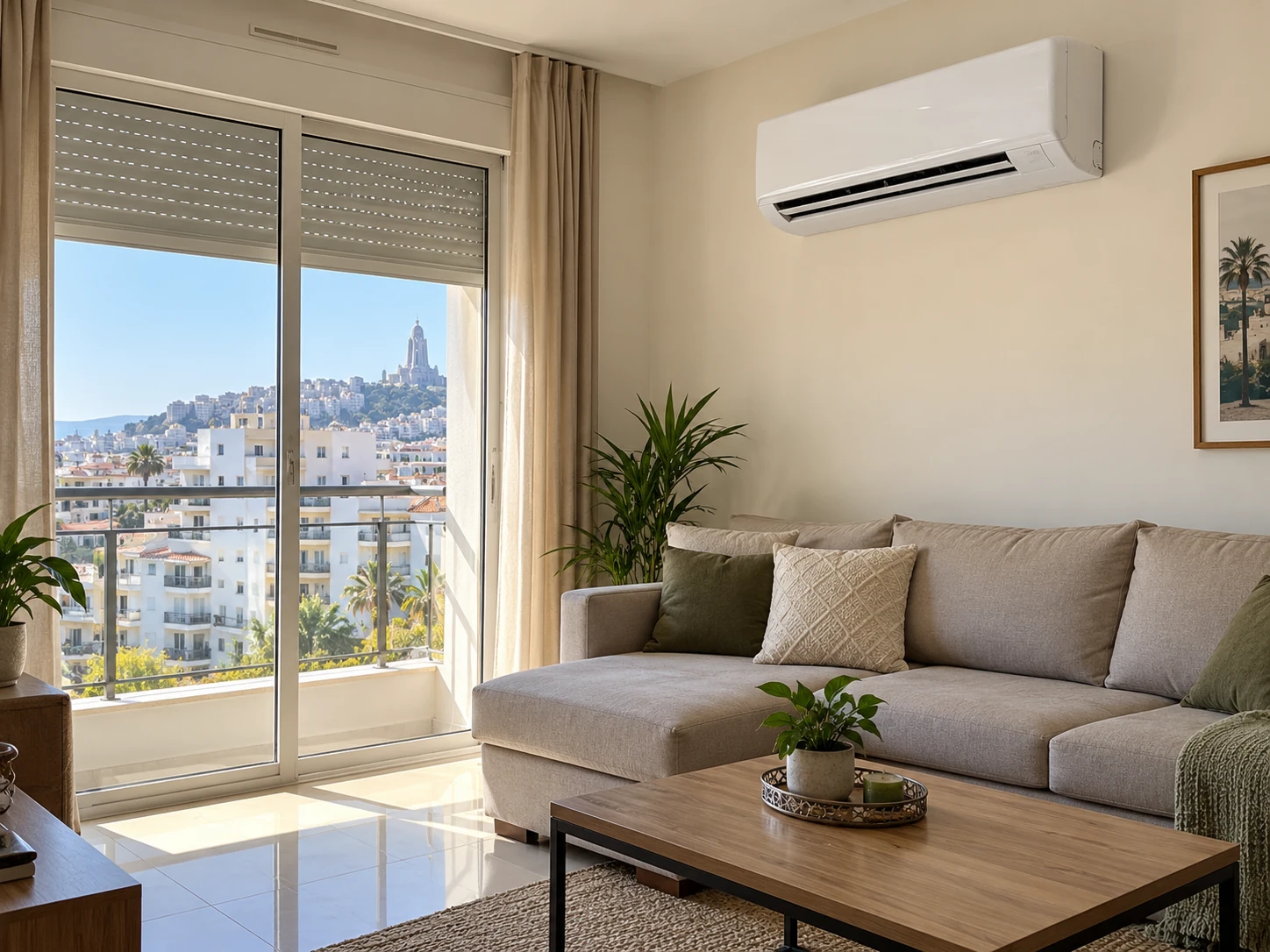
On cooling systems, dirty filters or coils can reduce performance and restrict airflow. Appropriate inspection helps identify these issues. [1]
The aim is to preserve comfort, availability and operation suited to actual use. Results depend on initial condition and the cause of the issue. No universal savings percentage or number of extra service years applies to every installation.
 Explore image ↗
Record the signs without guessing the diagnosis
Record new noises, unusual starts, reduced comfort or fault codes with dates and circumstances.
Visible leaks, ice or longer operation do not automatically identify a part to replace. Describe observations without dismantling equipment.
Higher bills should also be assessed against schedules, weather and occupancy: maintenance alone does not explain every consumption change.
Build a simple four-step plan
Inventory: model, location, commissioning date, manual and warranties. Businesses should identify critical equipment.
Schedule: determine checks and frequency using the manual, site conditions and professional advice. Dust and intensive use can change needs.
Record: retain findings, settings and completed work. An invoice alone may not describe the intervention.
Follow up: observe operation afterwards and report persistent issues. Businesses should plan visits to limit disruption.
Solar systems also need follow-up
Solar output varies with season and weather. One low day does not prove a fault; unusual changes under comparable conditions deserve investigation. Monitoring data and inverter fault messages can help. [2]
Plan maintenance for the site and manufacturer requirements. Qualified people should handle roof cleaning and electrical checks: do not climb onto panels or work on cables. [2]
 Explore image ↗
When should a professional intervene?
Limit user actions to those described in the manual and follow shutdown instructions. Electrical, refrigerant and combustion systems require appropriate expertise.
If there is apparent danger, a burning smell or suspected gas leakage, stop using the equipment. Move away if necessary and contact the appropriate service. An article cannot replace an on-site intervention.
Need Energy: support beyond the first visit
We first understand your equipment, usage and difficulties. Within the agreed scope, we help distinguish maintenance, repairs and improvements requiring study.
When decisions overlap, a REBA report can organise findings and priorities. Better operational records also help prepare future investment.
After-sales support means an identified contact, clear reporting and explained next steps within the service scope. Ask what is included, how issues are handled and the stated response times, distinguishing warranties, maintenance and repairs.
 Explore image ↗
Sources and further advice
- 1. ENERGY STAR — Maintenance checklist ↗
- 2. Australian Government — Looking after a solar system ↗
- Need Energy — Understanding cooling discomfort ↗
Sources consulted on 26 October 2026. General technical principles; follow the manual and installation-specific requirements.