
NEED ENERGY · COMFORT & COOLING
Air conditioning: why is the room still hot despite a powerful unit?
 CONSEILLER · ANALYSER · ACCOMPAGNER
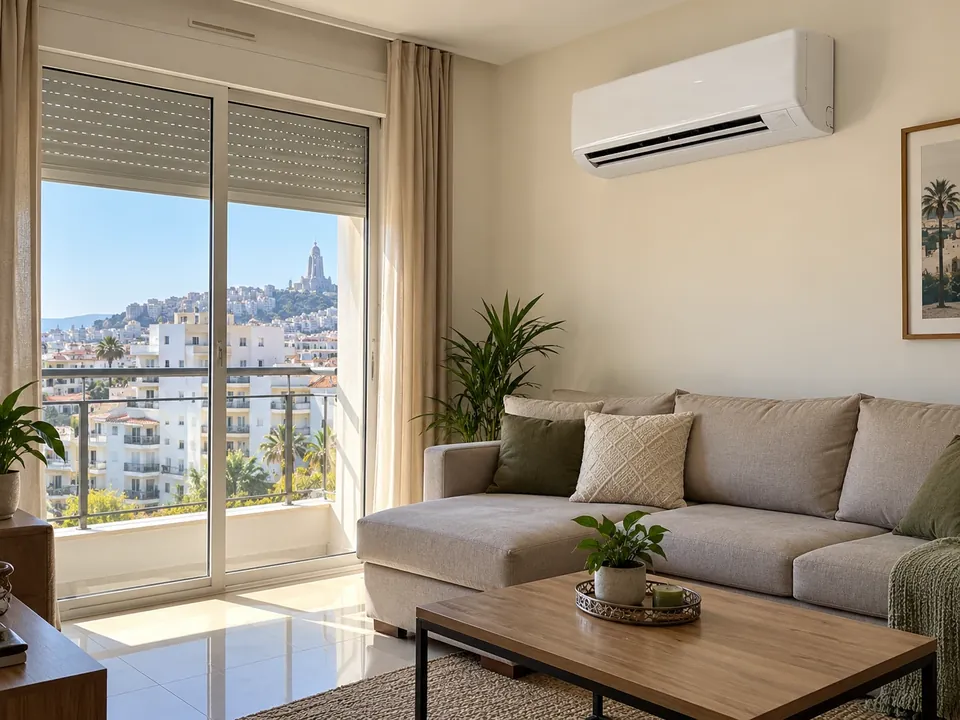
Your air conditioner runs but the room remains uncomfortable? Before choosing a more powerful model, investigate the building, usage, installation and maintenance together.
This guide supports households, shops and offices in Algeria. At Need Energy, we investigate causes first, recommend suitable solutions and provide ongoing support.
Rated capacity does not tell the whole story
Cooling capacity is different from electrical consumption: BTU/h or cooling kW are not billed kWh.
Floor area alone is insufficient for sizing. Orientation, glazing, height, insulation, occupants, equipment and outdoor conditions matter. Oversizing does not guarantee comfort and can cause short cycling depending on the system. [1]
Is heat entering faster than it can be removed?
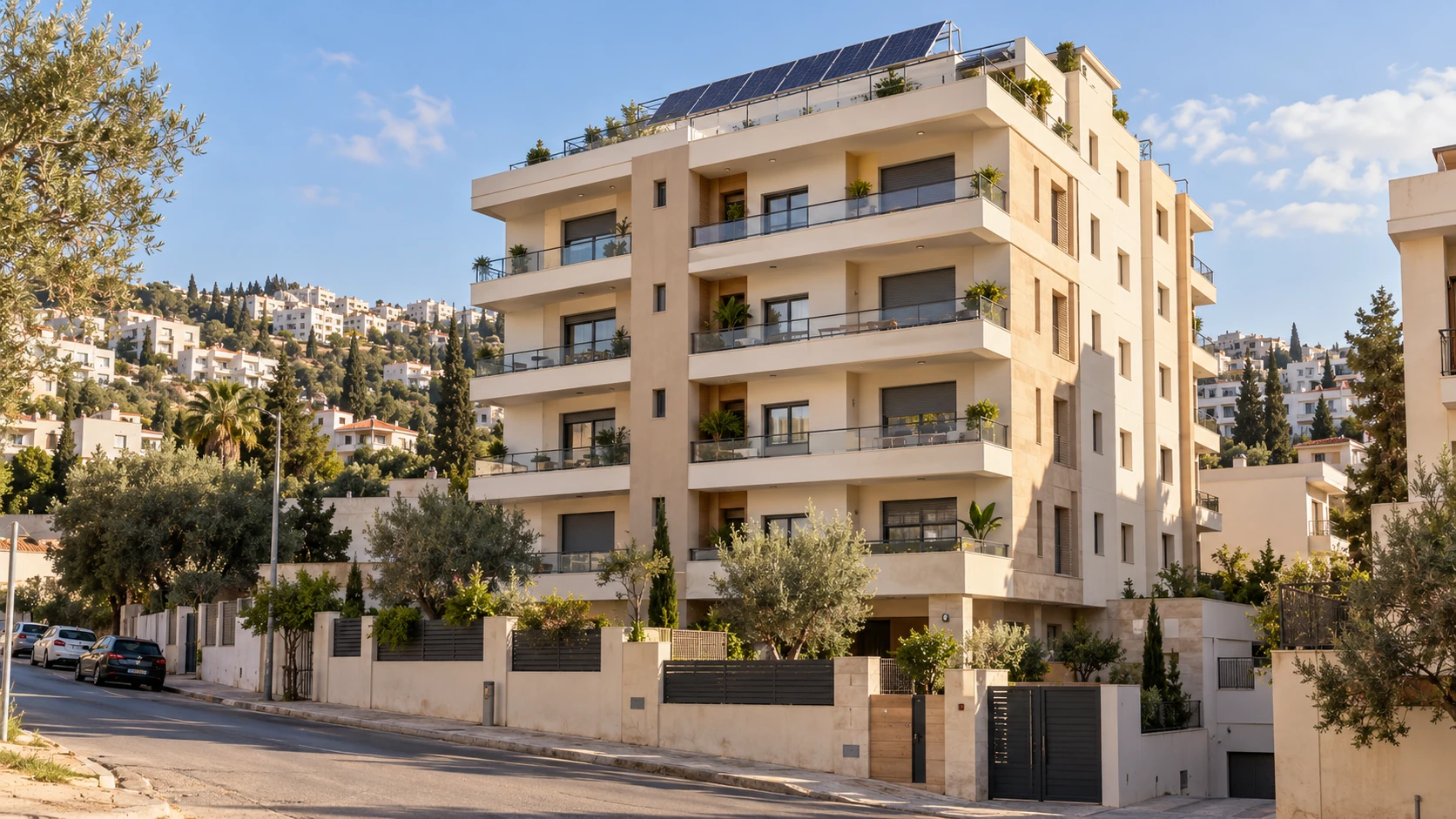
Sun-exposed glazing, an insufficiently protected roof or a frequently opened shop door can increase heat gains. An office full of computers differs from a bedroom of the same size.
Record when and where discomfort occurs. Suitable shading or building improvements may help after assessment. Maintain ventilation needed for indoor air quality. [3]
 Explore image ↗
Three different issues to investigate
Poor airflow: a dirty filter, obstructions or inadequate distribution can leave some areas hot even when the unit blows cold air. [2]
Installation faults: settings, sensors, heat exchangers or the refrigerant circuit may require investigation. Insufficient cooling alone does not prove low refrigerant. [2]
Mismatch between needs and capacity: changed usage, outdoor heat or unsuitable sizing. Assess the whole situation before replacing equipment.
What to prepare before a visit
Record the operating mode, setpoint, schedules and a representative room temperature away from direct airflow.
Photograph the model reference and describe floor area, openings, exposure and typical occupancy.
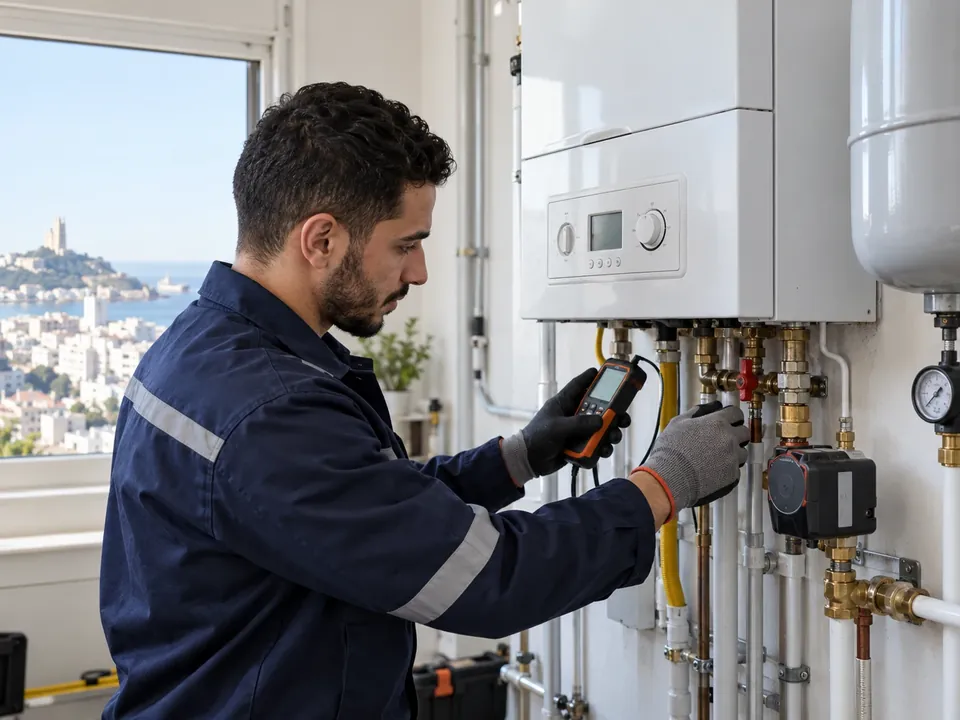
Only check accessible user-serviceable items described in the manual, such as filters, with the unit stopped as instructed. Do not dismantle electrical or refrigerant components.
Report unusual noise, water leaks, ice or fault codes. For burning smells or electrical faults, stop the unit if safe and call a professional.
Same floor area, different needs
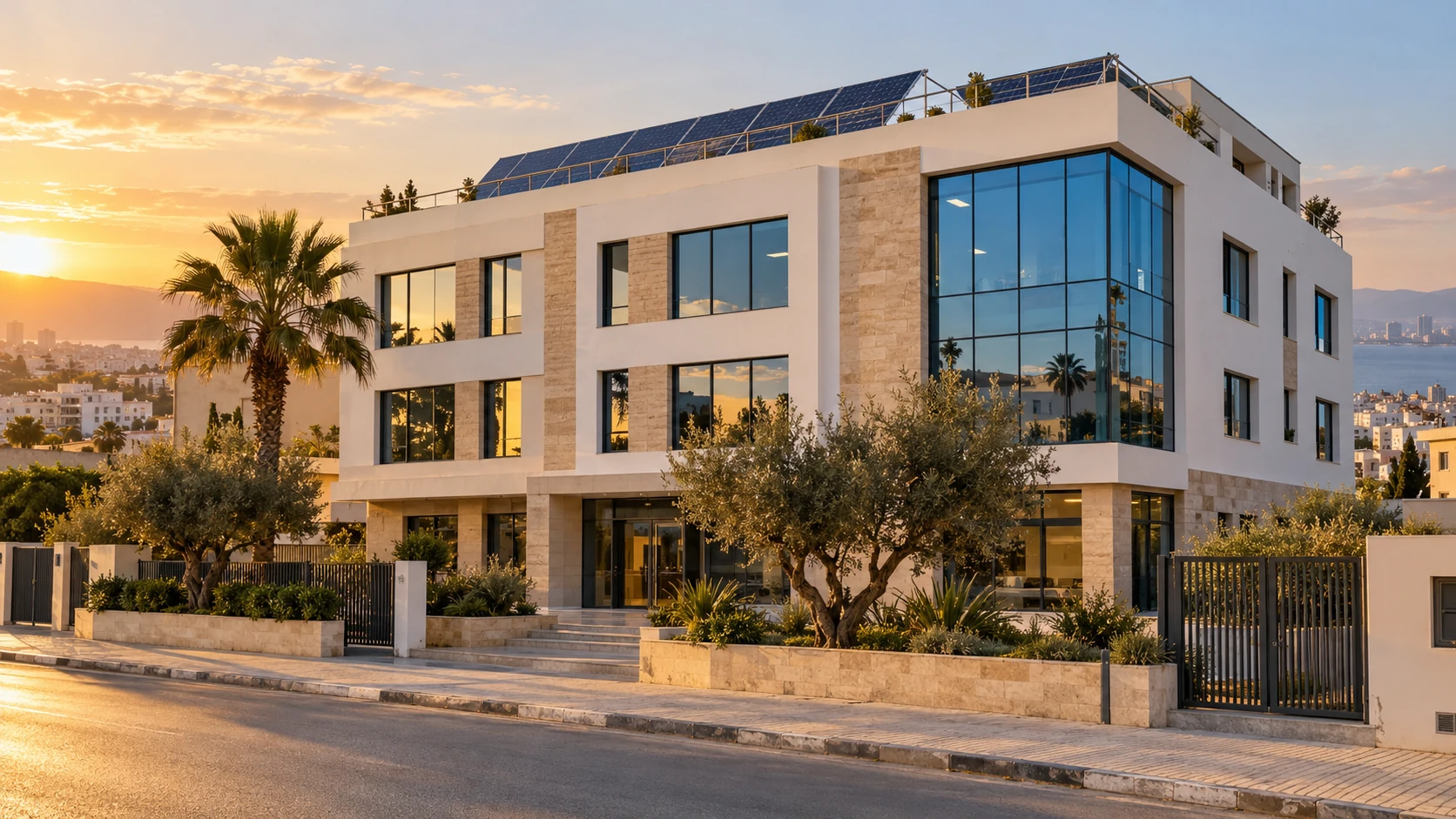
Illustrative situation: two offices have the same floor area. One is shaded with two occupants; the other receives sunlight and visitors and contains several computers. Automatically choosing the same unit can be unsuitable.
Ask how much heat must be removed, under which conditions and with which comfort requirements. Sizing and expected performance must be assessed for the actual building.
 Explore image ↗
The Need Energy approach: understand, decide, follow up
We start with your comfort expectations, budget, schedules and difficulties. Within the agreed assignment, we examine usage, installation condition and available information to distinguish adjustments, maintenance, repairs and investment.
When several improvements need comparison, a REBA report can organise findings and priorities, separating assumptions, estimates and measurements. Replacement is a decision to justify, not an automatic response.
Support and after-sales service matter: explaining operation, monitoring comfort and addressing problems within the agreed scope. Savings cannot be guaranteed without assessment and follow-up.
 Explore image ↗
Technical sources and further reading
- 1. U.S. Department of Energy — Suitable cooling capacity ↗
- 2. U.S. Department of Energy — Maintenance and common problems ↗
- 3. Australian Government — Building, usage and maintenance ↗
Sources consulted on 26 October 2026. General technical principles; foreign schemes and rules are not presented as applicable in Algeria.