
NEED ENERGY · UNDERSTAND YOUR BILL
High electricity bills: how to find what really uses energy
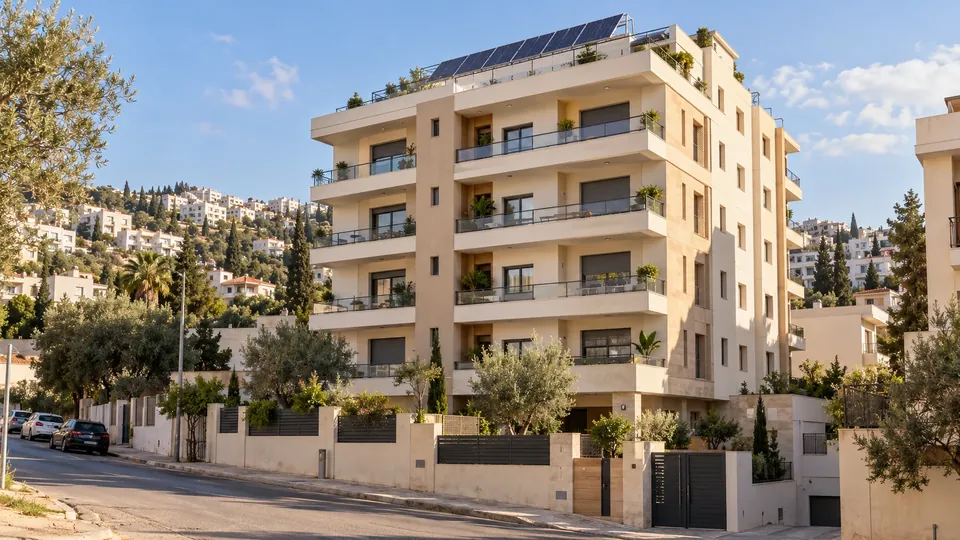 CONSEILLER · ANALYSER · ACCOMPAGNER
Has your bill risen without an obvious explanation? Long operating hours, overlooked equipment or a different billing period can make the cause unclear. A higher amount alone does not identify the problem.
This guide helps households, shops, offices and building managers in Algeria gather useful information, observe usage and make informed decisions. At Need Energy, we start by listening and analysing your situation.
First, separate cost from consumption
Dinars describe the amount paid; kWh describe billed electrical energy. Check both: the total can also reflect a longer period, a billing adjustment or earlier unpaid bills. [1]
Check dates, previous and current meter readings, and whether they are actual or estimated. Ask your distributor about inconsistent information before concluding that consumption is excessive.
Compare like with like
Gather a year of bills if possible. Compare the same season, accounting for the number of days, occupants and business activity. Longer opening hours or hotter weather can change needs.
Divide kWh by the number of days for a first daily indicator. This helps compare different period lengths but does not adjust for weather or activity.
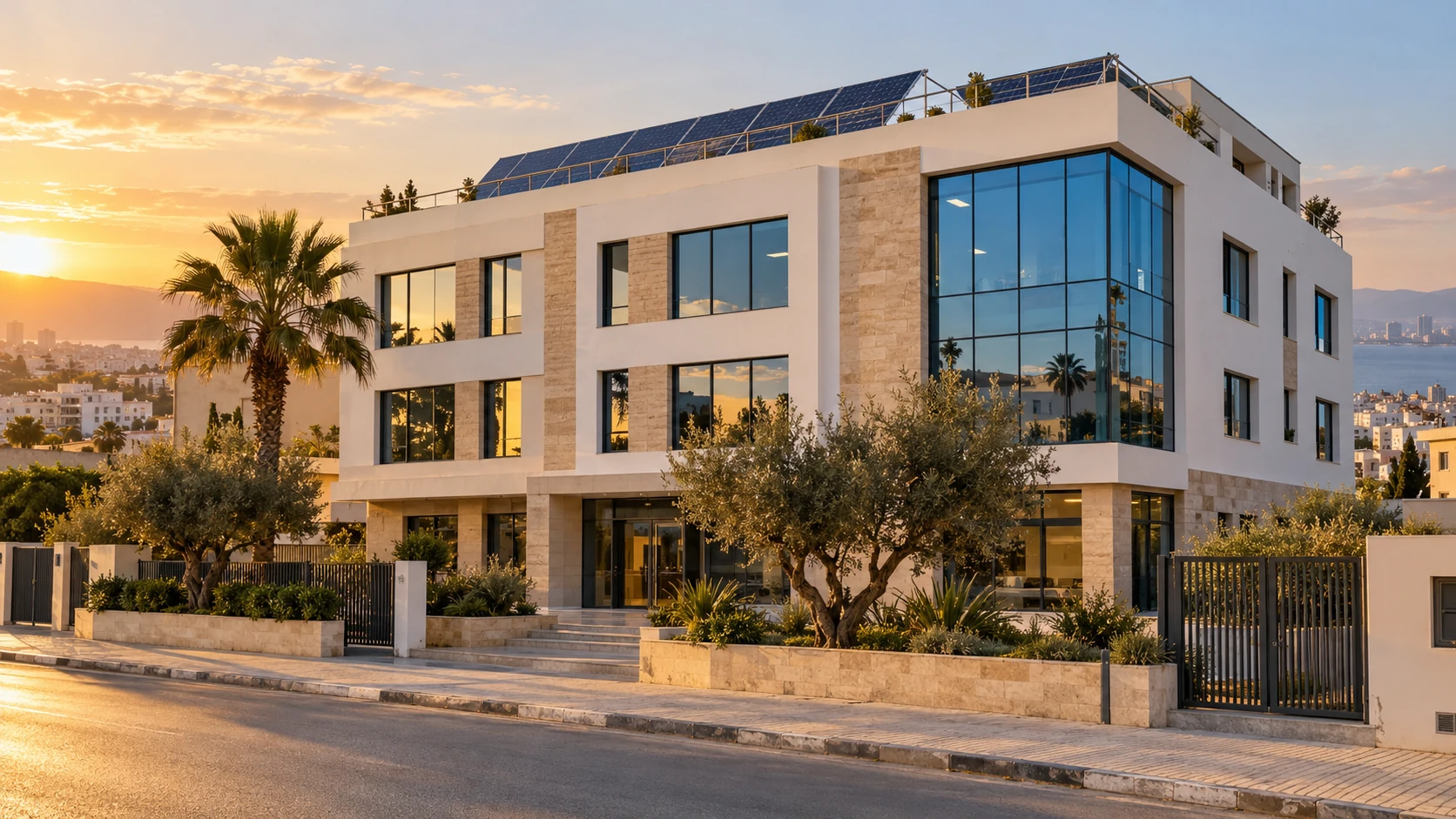 Explore image ↗
A simple example, without a savings promise
Illustrative example: 900 kWh over 90 days equals 10 kWh/day. 1,080 kWh over 90 days equals 12 kWh/day: a 20% increase in average daily consumption.
This describes a change, not its cause. It does not mean the amount in dinars rises by exactly 20%. Examine billing and usage changes before deciding what to do.
Identify uses worth checking
Cooling and electric heating: actual schedules, open doors, settings, maintenance and comfort. High power does not guarantee a suitable installation.
Electric hot water and refrigeration: operating time, actual needs and unusual behaviour. Respect hygiene and food-storage requirements.
Lighting and work equipment: unoccupied rooms, devices running after closing and newly installed equipment.
The building: shading, openings and hard-to-cool areas. Do not identify a main consumer without sufficient evidence.
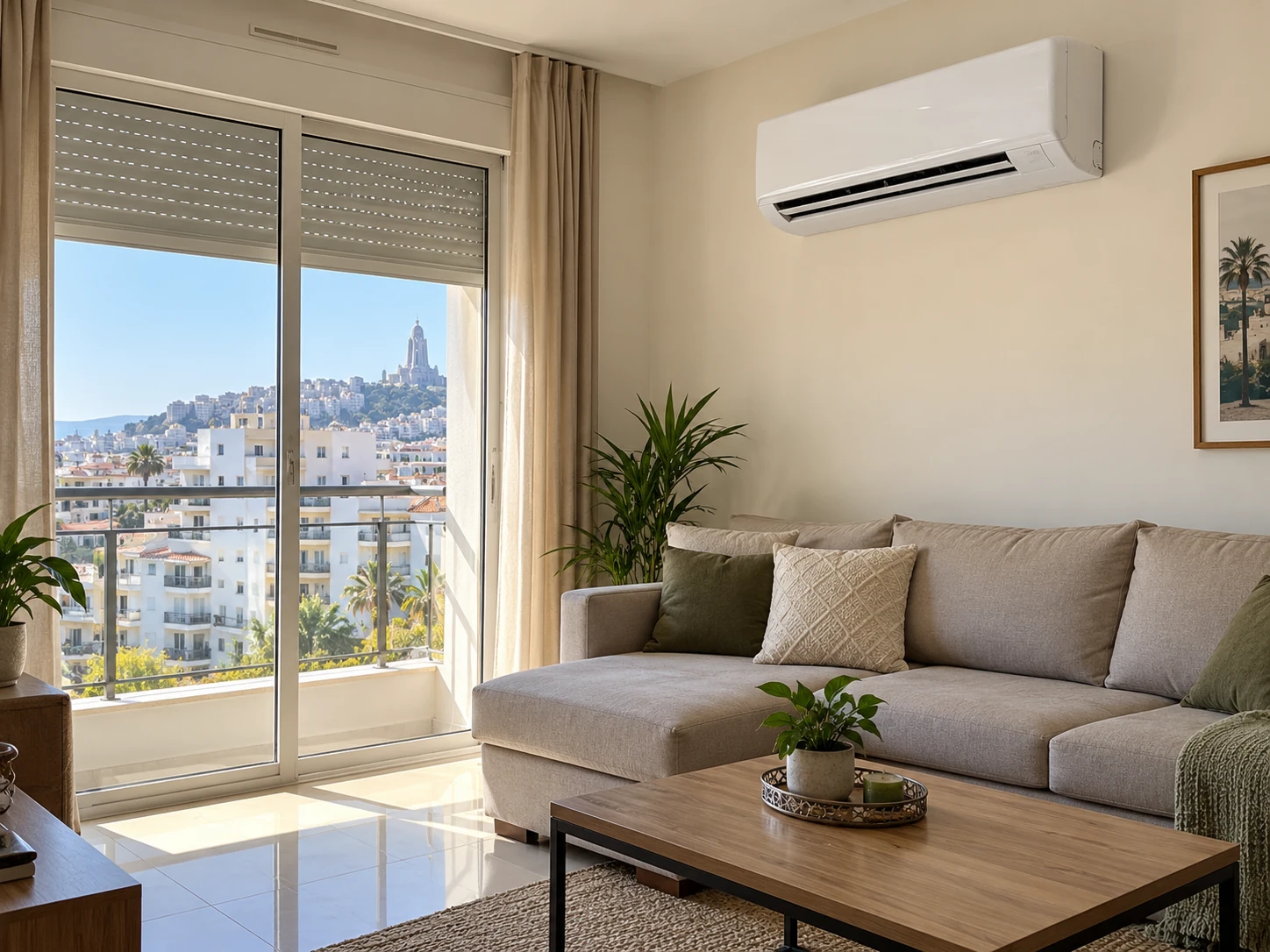 Explore image ↗
A four-step approach
Prepare: gather bills, floor areas, schedules and equipment lists. Record recent changes and comfort problems.
Observe: read an accessible meter at comparable times over several days and record usage. A whole-building reading shows a trend, not each appliance’s consumption.
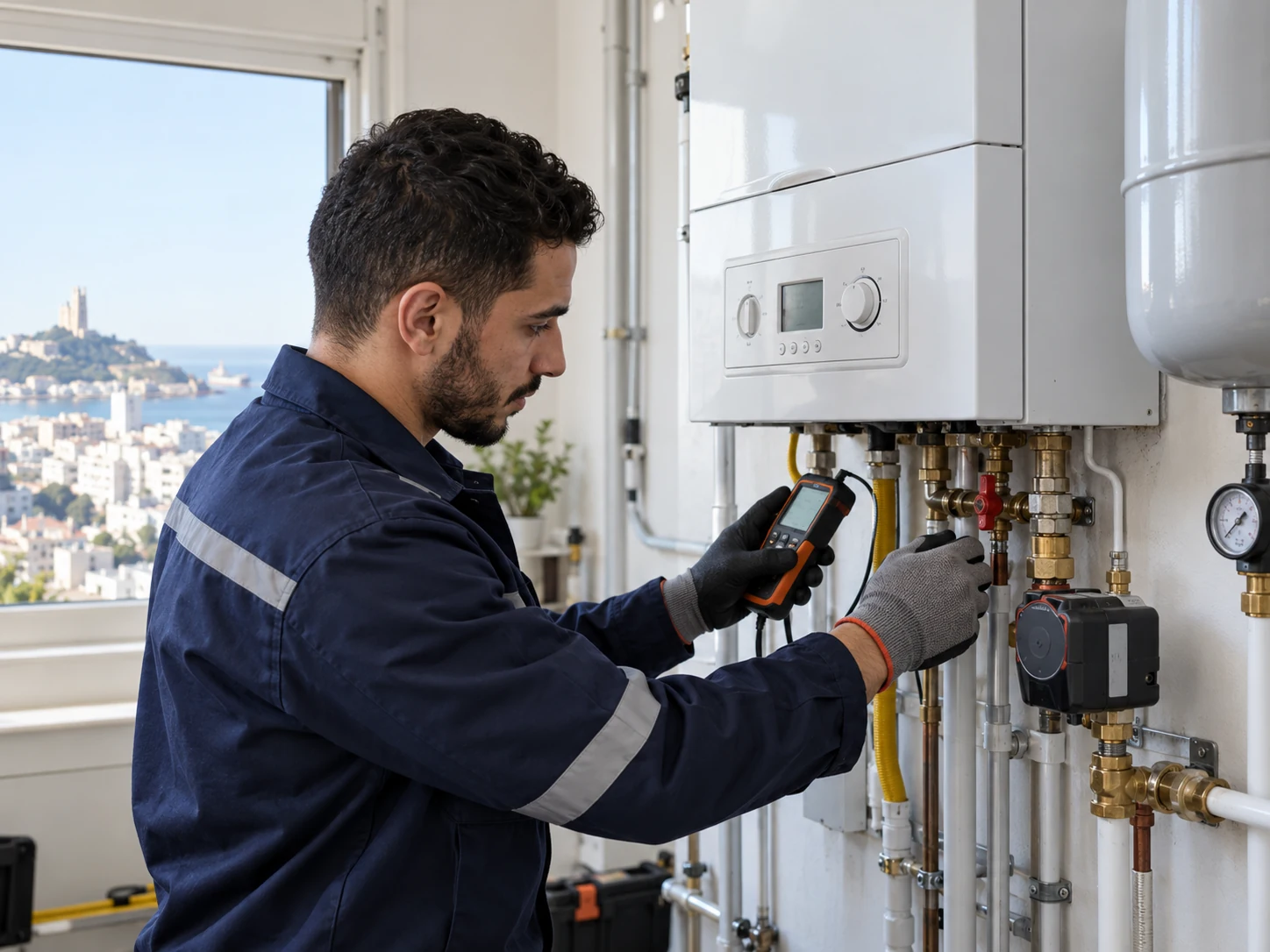
Check: ask a qualified professional to investigate anomalies and measure individual uses if needed. Do not open meters or electrical panels.
Prioritise: compare settings, maintenance, building improvements and equipment against comfort, business needs and budget.
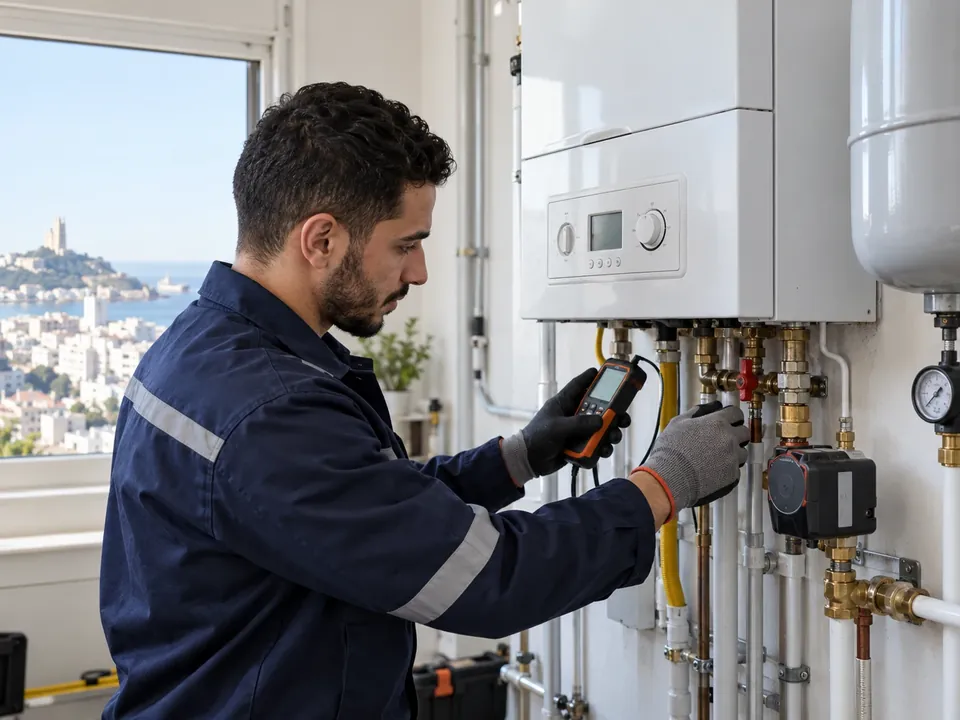
When the REBA report helps
If several causes remain possible, or you are considering renovation, cooling or solar without knowing where to begin, a structured assessment can help.
Within the agreed scope, Need Energy reviews your needs, available information and installations. The REBA report organises findings, further investigations and improvement options, distinguishing estimates from measurements and helping prioritise decisions.
It does not replace a billing complaint to your distributor. It helps understand your building and prepare better-supported investments. See the dedicated page for current offer terms.
 Explore image ↗
After taking action, check the results
Keep a baseline and compare consumption over a suitable period after changes. Record weather, occupancy and schedules to avoid misleading comparisons. Estimated savings need follow-up to confirm results.
At Need Energy, support and after-sales service are defined within the assignment: explaining controls, monitoring operation and addressing difficulties within the agreed scope. We aim to help manage costs while preserving comfort and business continuity.
Discuss your situation →Sources and further reading
- CREG — How to read your bill (Algeria, in French) ↗
- Understanding energy savings — Need Energy guide ↗
Source consulted on 26 October 2026. Illustrative figures; no guaranteed savings.