
NEED ENERGY · NUMBERS MADE SIMPLE
How to understand energy savings: the numbers made simple
 CONSEILLER · ANALYSER · ACCOMPAGNER
Claims about lower consumption, percentage savings or payback only make sense when the underlying data and assumptions are clear.
Learn how to understand consumption, calculate savings and ask useful questions. Example amounts are fictional, not official tariffs or promises of results.
kW and kWh: power and consumption
Kilowatts (kW) express power; kilowatt-hours (kWh) express energy consumed over time.
An appliance actually drawing 1 kW for 3 hours uses 3 kWh: energy = input power × time. Modulation or cycling changes real consumption.
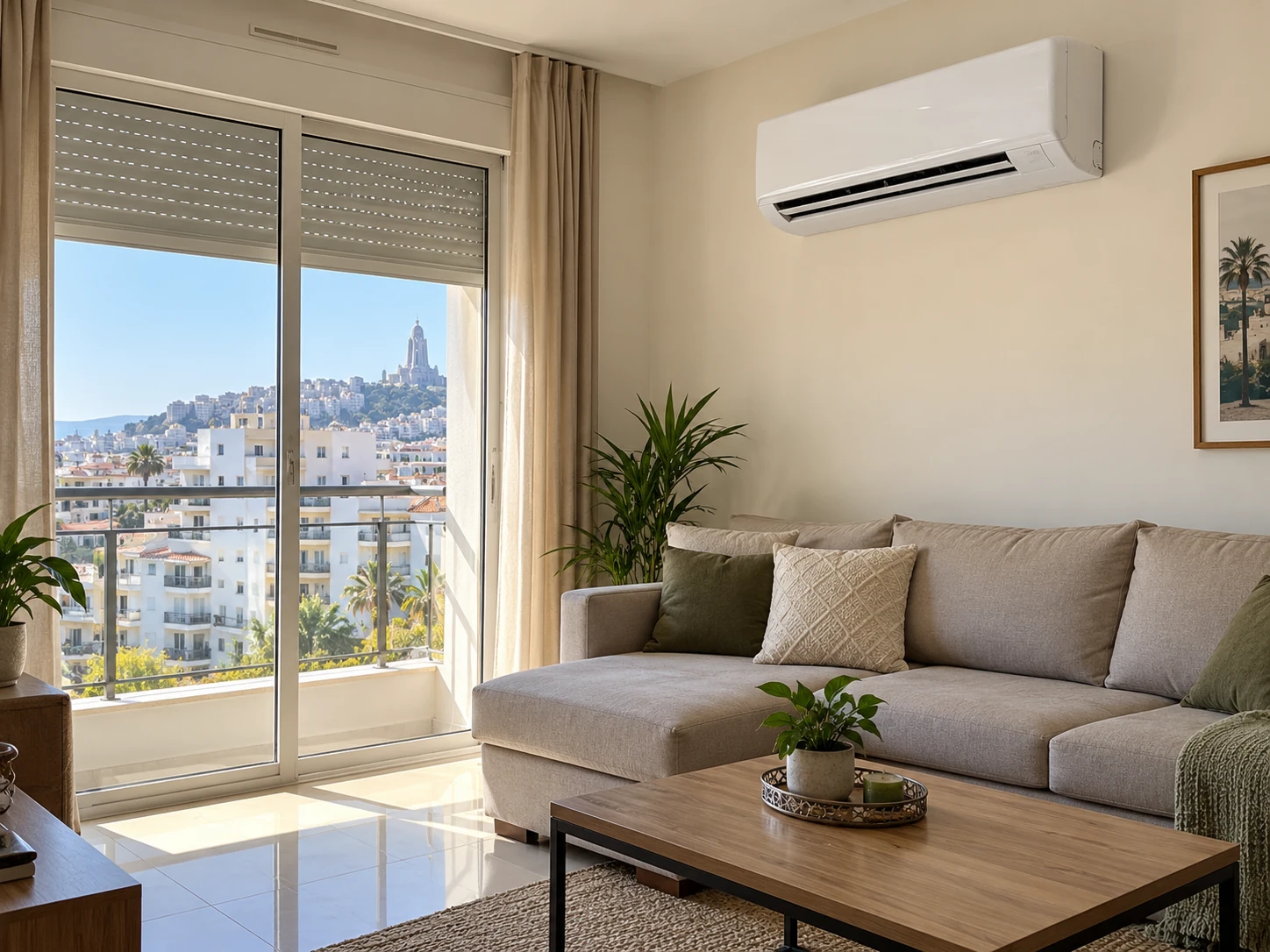
Heating or cooling output from a heat pump or air conditioner is not its electrical input. Do not use these values interchangeably when estimating bills.
 Explore image ↗
Savings need a baseline
Compare a baseline with the improved situation over the same period and within a clearly defined scope.
The baseline may be measured consumption or a documented estimate. Estimates remain dependent on assumptions.
Low occupancy cannot be compared directly with intensive activity. Weather, occupied areas, schedules and requested comfort also affect consumption.
Example: from 2,000 to 1,500 kWh per year
Baseline: 2,000 kWh/year. Improved situation: 1,500 kWh/year, for comparable service under the stated assumptions.
Energy saved: 2,000 − 1,500 = 500 kWh/year.
Saving rate: 500 ÷ 2,000 × 100 = 25%. Use the baseline, not the improved consumption, as the denominator.
This example explains arithmetic, not guaranteed equipment or building performance.
From kWh to money: why the bill differs
For this example only, assume a constant fictional price of 5 DZD/kWh. Avoiding 500 kWh then gives 500 × 5 = 2,500 DZD/year in gross savings on the calculated energy component.
Real calculations must use the applicable contract, tariff bands, fixed charges, taxes and other billing items. Some charges do not fall with consumption.
A 25% reduction for one appliance therefore does not mean a 25% reduction in the entire bill. Define the scope and method.
Gross savings and net benefit: include costs
Gross savings here are the avoided energy expense. Estimated annual net benefit also includes changes in operating costs, especially maintenance.
With 2,500 DZD/year gross savings and 500 DZD/year additional maintenance, the example’s annual net benefit is 2,000 DZD. Lower maintenance costs could improve it.
One-off costs, future replacements, lifespan and warranty terms also belong in the overall comparison.
Simple payback: a guide, not a guarantee
Simple payback equals investment divided by estimated annual net benefit.
For a fictional 20,000 DZD investment and 2,000 DZD/year net benefit: 20,000 ÷ 2,000 = 10 years, assuming constant benefits.
This excludes financing, discounting, tariff changes and major replacement. Compare it with lifespan, risks and benefits such as comfort. Zero or negative net benefit gives no positive payback under this formula.
Questions to ask about a savings claim
‘30% savings’: for which equipment, use and period? Is it measured, calculated or merely claimed?
‘Two solutions each save 20%’: their effects may overlap. Do not automatically add percentages.
‘Solar covers annual consumption’: production and demand may occur at different times. Self-consumption, storage and system operation matter too.
Ask for assumptions, limitations and included costs so you can compare proposals on the same basis.
After improvements: check and understand results
Keep baseline bills and readings, intervention dates, settings and project assumptions. Then monitor consumption over a representative period.
Weather, occupancy and comfort changes can explain part of the difference. A higher bill alone does not prove that no energy was saved: price or activity may have changed.
Need Energy’s REBA report helps explain the reasoning behind scenarios. Estimates remain distinct from measured results; support and monitoring are defined in the agreed scope.
 Explore image ↗
Understand your situation before deciding
Unsure about bills or possible solutions? Gather the available information about your building, usage and equipment.
We can review your situation and define an appropriate assessment before discussing investment.
Discuss your needs →