NEED ENERGY · START WITH THE BASICS
Energy-saving solutions: understand before choosing
 CONSEILLER · ANALYSER · ACCOMPAGNER
Saving energy does not necessarily mean buying new equipment. It starts with meeting a need — heating, cooling, lighting or hot water — while avoiding unnecessary consumption.
Settings, maintenance, insulation and equipment each play a different role. This guide explains where to start.
What is an energy-saving solution?
It is an action that reduces the energy needed for a given service or avoids unnecessary use: reducing heat entering a room, improving settings or using more efficient equipment.
It may be a habit, maintenance, a building improvement or an investment. A high-performance product does not automatically solve every problem.
 Explore image ↗
Three different ideas
Energy sufficiency means avoiding unnecessary consumption or adapting use, such as switching off lights in an empty room.
Energy efficiency means providing the required service with less energy, such as more efficient lighting for equivalent light quality.
Renewables produce energy from resources such as sunlight. They can reduce energy bought from the grid without necessarily reducing a building’s energy needs.
Start with usage and settings
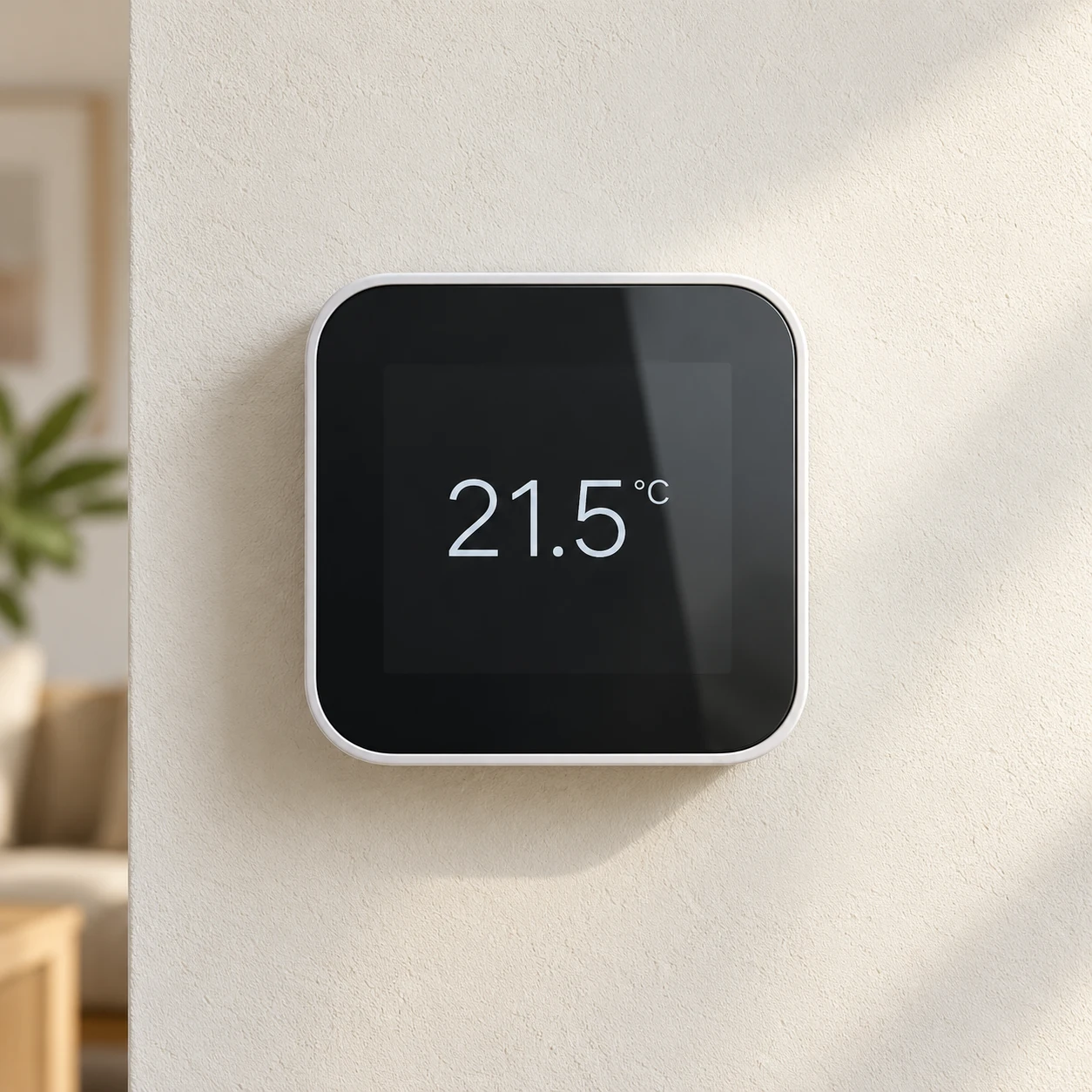
Which equipment runs, when and for which people or activities? These simple questions can reveal unnecessary consumption.
Schedules, controls and setpoints may help, while respecting comfort, health, safety and manufacturer instructions.
Do not switch everything off: essential ventilation or business equipment may need to run even when occupancy is low.
 Explore image ↗
Maintain before replacing
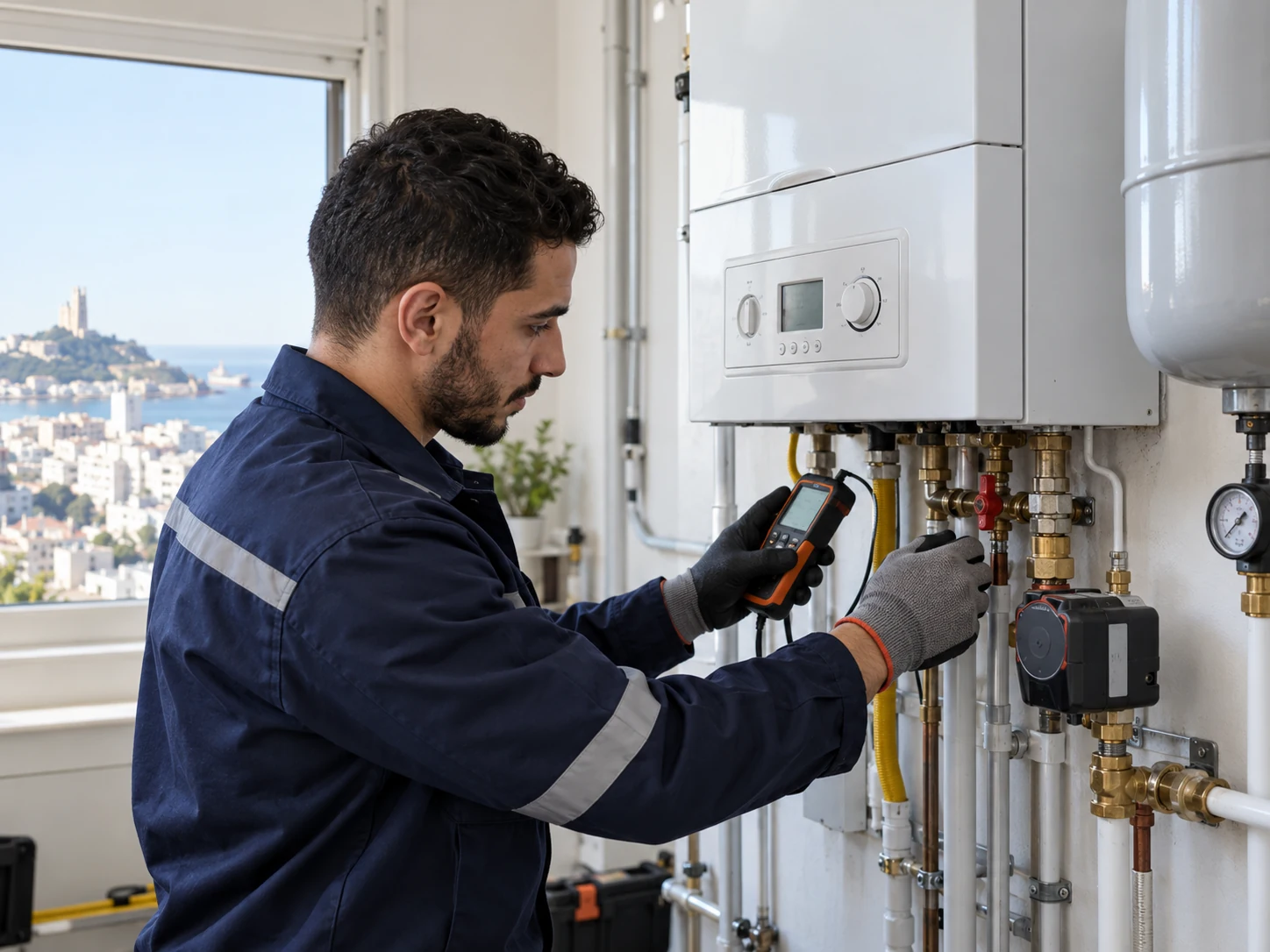
Dirty filters, leaks, unusual operation or incorrect settings deserve inspection. Maintenance helps preserve suitable operating conditions and identify faults.
It does not guarantee the same saving for everyone. Its effect depends on the installation’s initial condition. Technical work should be performed by a qualified person.
 Explore image ↗
Improve the building as well as equipment
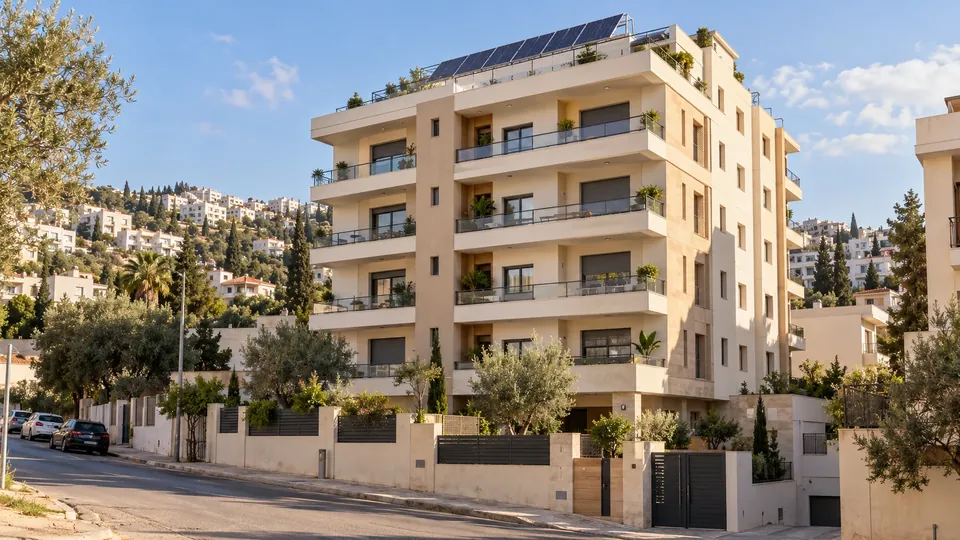
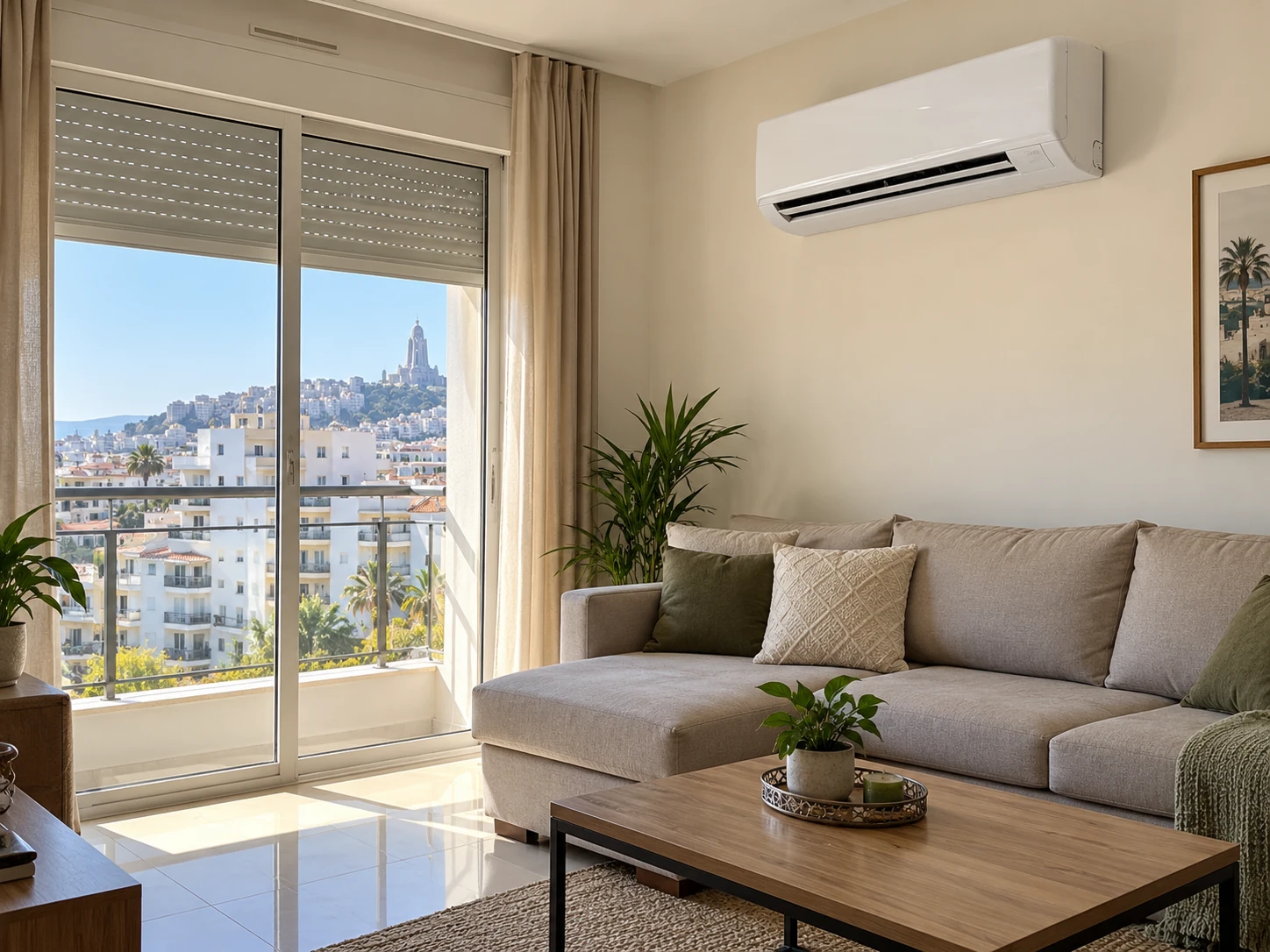
Air conditioning cannot always compensate for strong solar exposure or a building that admits heat easily. Suitable shading or insulation can reduce cooling needs.
Reducing heat losses can lower heating needs in winter. Solutions depend on walls, roofs, openings and building use.
Airtightness improvements must take ventilation and indoor air quality into account. Consider the building as a whole.
Efficient equipment and solar: choose at the right time
Equipment should match the actual need. Greater power alone does not guarantee savings or comfort. Compare consumption for equivalent use, maintenance, operating conditions and after-sales support.
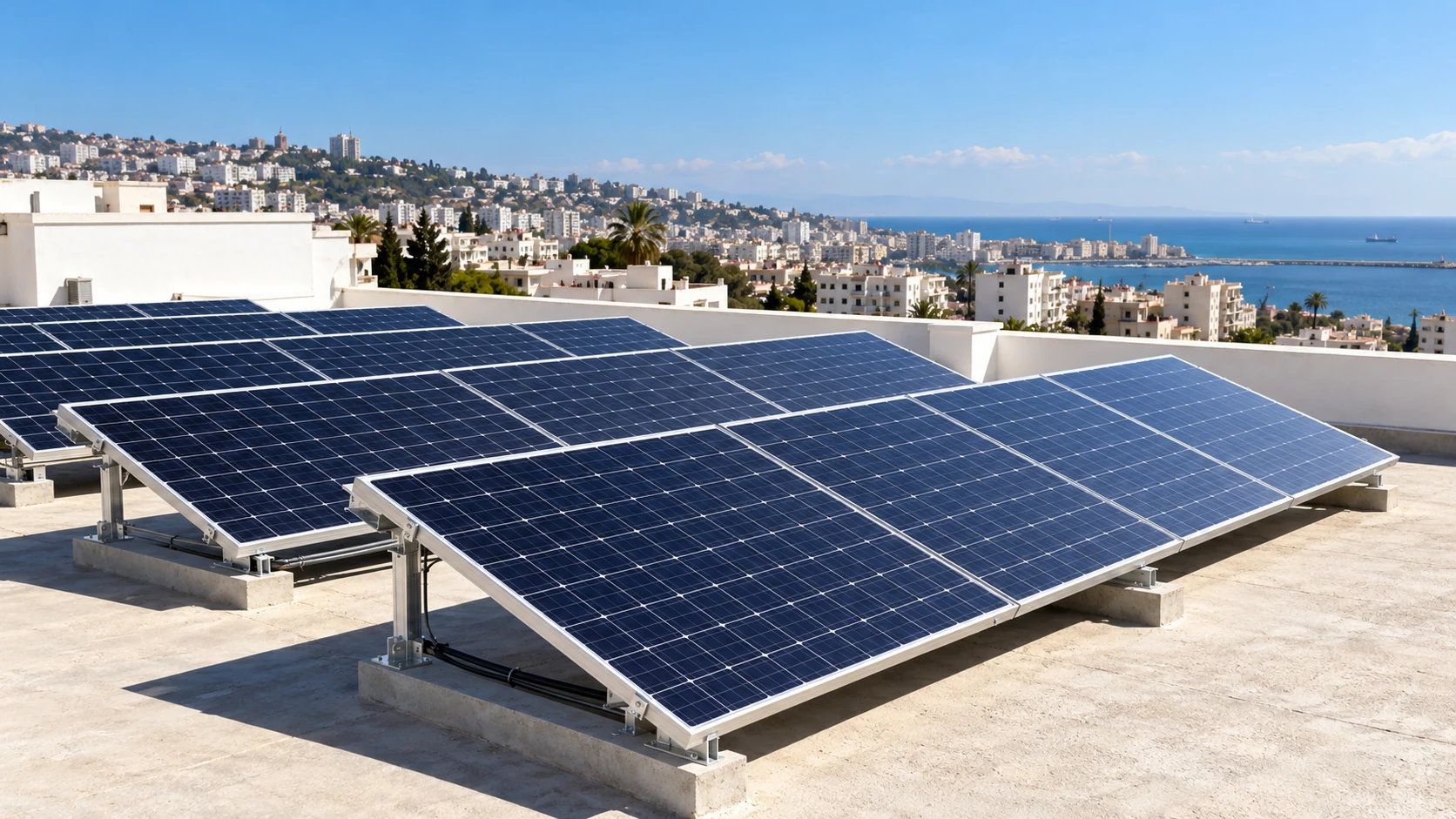
Photovoltaics produces electricity; solar water heating provides heat for water. Their suitability depends on needs, location and usage.
Generating electricity does not automatically provide autonomy. Operation during a power cut depends on system design and the equipment installed.
 Explore image ↗
What should come first?
First understand bills, comfort issues, equipment, schedules and objectives. Then identify faults, unnecessary use and maintenance needs.
Compare improvements, constraints, costs and expected effects. Building works may change the need and therefore the sizing of future equipment.
There is no universal order. Need Energy’s REBA assessment documents your situation and helps explain suitable priorities and scenarios.
An expected saving should be explained
Before choosing a proposal, ask which baseline and usage assumptions are used, and whether the saving concerns one appliance or the whole bill.
Our second guide explains kWh, money, percentages and payback using a simple example.
Understand energy savings →