
NEED ENERGY · ADVICE FOR BUSINESSES
Shops, offices and hotels: where can avoidable energy costs be found?
 CONSEILLER · ANALYSER · ACCOMPAGNER
Cooling, lighting, hot water, refrigeration and IT: every business has its own needs. High costs are not necessarily waste, but some changes deserve investigation.
This guide helps shop owners, office managers and hoteliers in Algeria identify opportunities while preserving service quality, comfort and business continuity. Need Energy begins by listening, analysing and proposing suitable solutions.
Start with business activity and bills
Gather twelve months of electricity and gas bills if possible, with dates and actual or estimated readings. Compare similar periods and record tariff, floor-area and equipment changes.
Consider business activity: shop opening hours and footfall, office occupancy, or hotel occupied rooms and services. Weather and seasons also matter. Ratios help follow trends but do not diagnose causes alone.
Shops: look at schedules and equipment
Frequently open doors, lighting left on after closing or cooling started too early are potential areas to review without compromising customer welcome or safety.
Food businesses can ask a professional to check refrigeration, including seals and alarms. Safe storage temperatures and the cold chain remain priorities. [1]
List always-on uses: some are essential; others may be scheduled around actual needs.
 Explore image ↗
Offices: adapt spaces to occupancy
Review actual team schedules, infrequently used meeting rooms, overheated zones and equipment running when spaces are empty.
Zoned schedules, consistent settings and suitable maintenance can be evaluated. Maintain lighting needed for safety and ventilation for indoor air quality. [2]
Involve staff: they know about discomfort and usage that bills cannot show.
 Explore image ↗
Hotels: assess services and occupancy
Hotels combine different needs: rooms, common areas, hot water, kitchens, laundry and sometimes a pool, with different operating schedules. [3]
Review controls and equipment by zone, actual room occupancy and hot-water system condition. Preserve guest comfort, hygiene and applicable requirements.
Consumption per occupied room can be useful when services and seasons are comparable; it cannot establish hotel performance by itself.
 Explore image ↗
Three types of decisions to compare
Adjust and organise: review schedules, settings and use patterns against actual needs.
Maintain and repair: assess equipment condition and address identified faults with qualified professionals.
Invest: evaluate building improvements, replacement or solar after understanding goals, budget and site conditions. Each option has costs, constraints and assumptions to compare.
An illustrative example
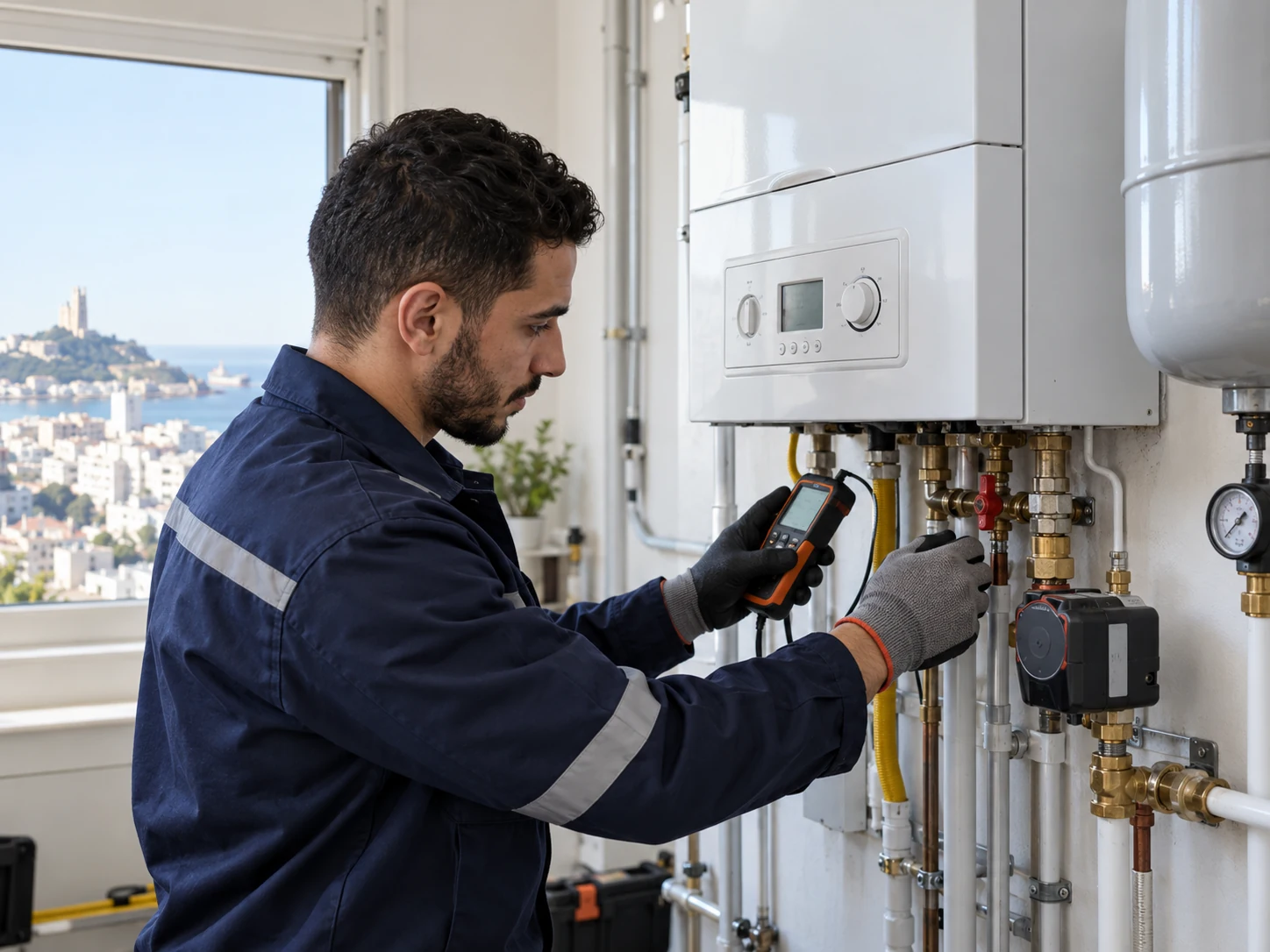
Consider a fictional hotel with high summer bills and uneven room cooling. Management gathers bills, occupancy, schedules and maintenance history.
A visit may investigate zoning settings, dirty filters, solar gains or unsuitable equipment. None is assumed to be the cause before checking.
The report organises findings and options: possible corrections, further analysis and investments. Estimated savings use explicit assumptions and require follow-up accounting for occupancy and weather.
 Explore image ↗
The REBA report and Need Energy support
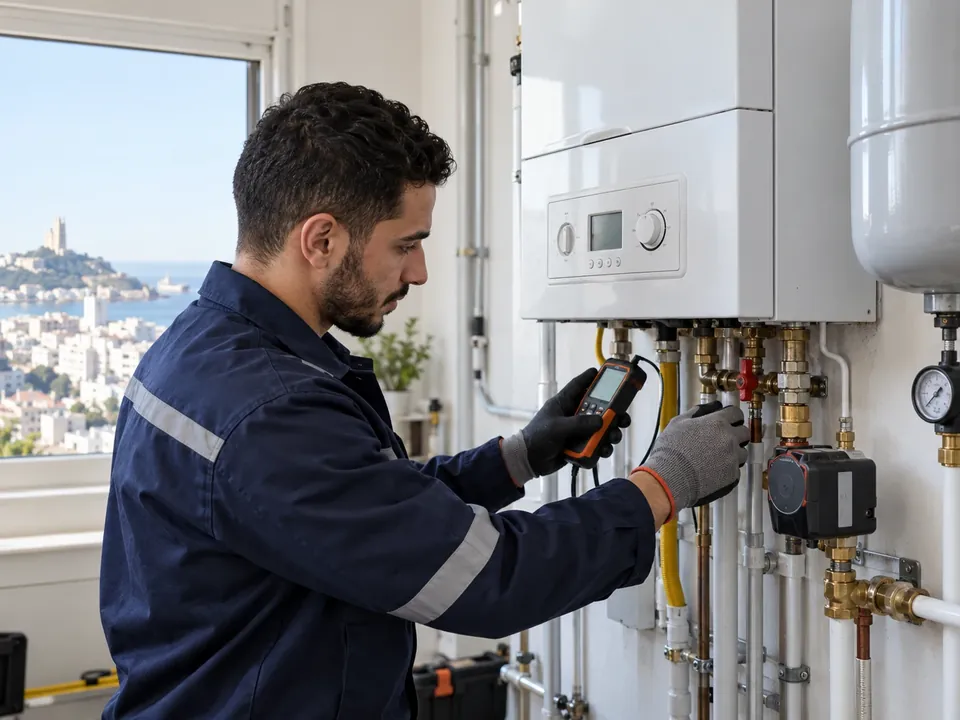
Our approach begins by discussing your activity, constraints and goals. Within the agreed assignment, the team examines available data and installations to propose suitable options.
The REBA report helps present findings, prioritise actions and compare scenarios. Measurements, estimates and issues requiring further study should be distinguished.
Follow-up and after-sales support matter after decisions: understanding operation, checking results and reporting issues within the agreed scope. No numerical saving is guaranteed before appropriate assessment and verification.
Sources and further reading
- 1. ENERGY STAR — Restaurant energy management ↗
- 2. U.S. Department of Energy — Facility energy checklist ↗
- 3. ENERGY STAR — Energy management for lodging ↗
- Need Energy — Understand the REBA assessment ↗
Sources consulted on 26 October 2026. International sources illustrate general methods; their figures and programmes are not applied to Algeria.